Recording Bird Migration On Gibralter
Gibralter Strait is one of the narrowest points between Europe and Africa, a mere 8.1 miles separates the two continents and this acts as a funnel for migrating birds during the spring and autumn. Birds of prey try to avoid long flights across open stretches of ocean so these in particular are very evident as they cross the Strait in their thousands each year. Bird species generally appear in greater numbers during westerly winds in April and May with Black Kite being the most abundant, sometimes flocks numbering a hundred or more can be seen circling above, Vultures, Osprey, Short toed Eagles and Booted Eagles occur in varying numbers through April and early May and the Honey Buzzards reach their peak in May when spirals of up to a hundred birds can be seen in good conditions. Hawks, Harriers and all of the European falcon species can be recorded over the period too. Observations of the migration period have been going on since the 1800’s, in modern times, the observatory at Jews Gate, on the south west slopes of ‘The Rock’ has also operated as a bird ringing station where hundreds of passerines are caught and ringed each year as they make landfall after the crossing across the Strait.
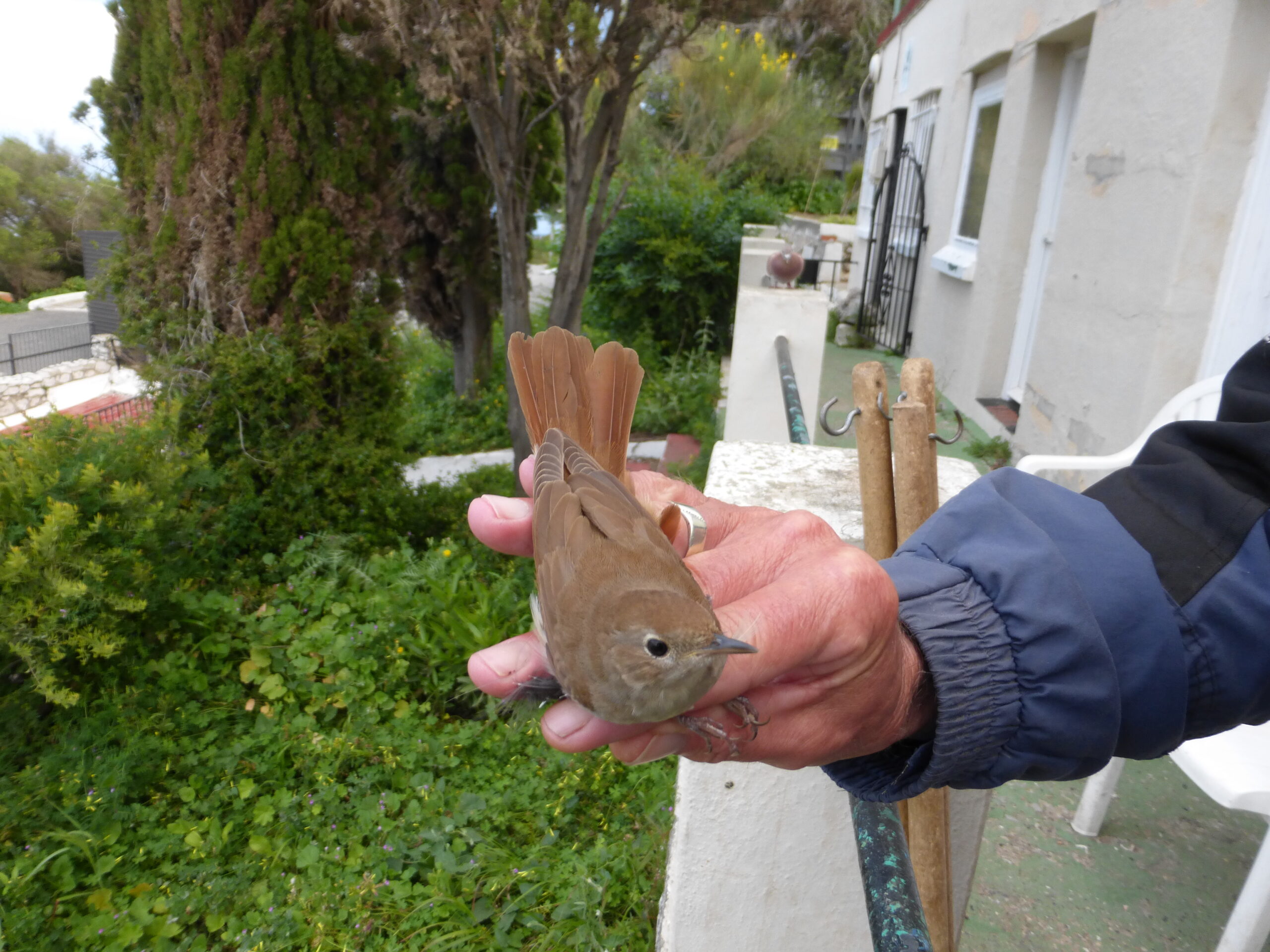
It is possible to stay at Jews Gate for a small fee. The accomodation is comfortable and well equipped but very basic and tenants are expected to help with the day to day chores but it is well worth a stay to watch as the Ringers return to weigh, measure and ring the birds before their release.
Pictured below are a few of the birds that would typically be found in the nets in late April/early May



Accomodation or membership can be booked through The Gibralter Ornithological And Natural History Society (GONHS) via their website: info@gonhs.org
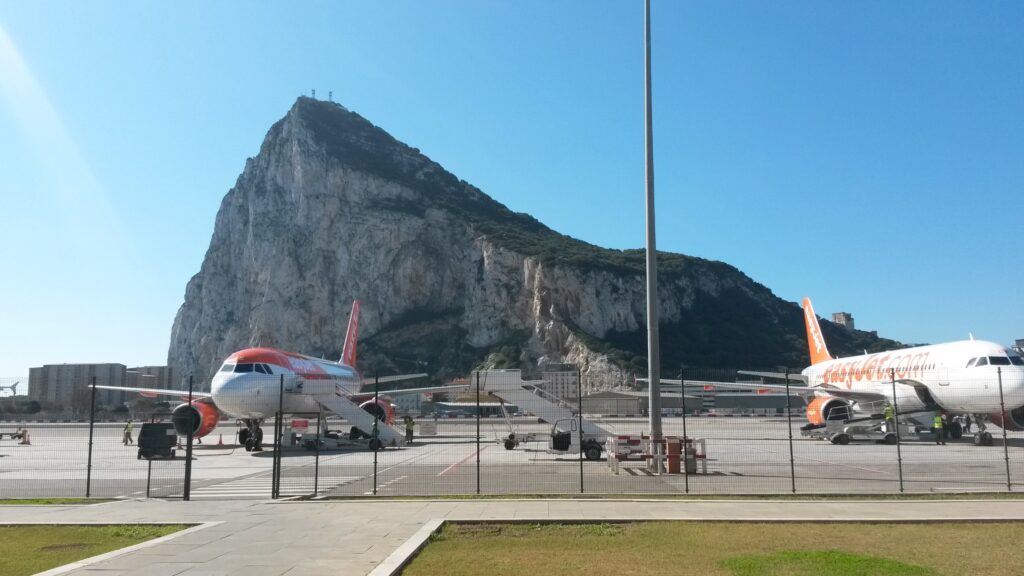
Gibralter is owned by the United Kingdom, a small peninsular at the very south west tip of Spain measuring only 2.6 square miles it is easy to explore in a day. Some of the more interesting areas to visit for birdlife are:
Europa Point – This southern most point of Gibralter is a flat expance of land where it is possible to set up a scope and watch oceanic birds and creatures as they pass through the Strait, it is a good location for Gull, wader and Shearwater passage in the right conditions.
The Botanical Gardens – Set in the centre of the town these well manicured gardens have played host to a wealth of common and rarer passerines over the years. A lovely place to while away an hour and admire the flora and sculptures. Getting to the park early and checking out the freshwater pools can sometimes turn up interesting herons and other water margin species.
North Front (or Garrison) Cemetary – is situated next to the airport and is an excellent location to look for small passerines such as warblers, flycatchers, chats, shrikes and thrushes…
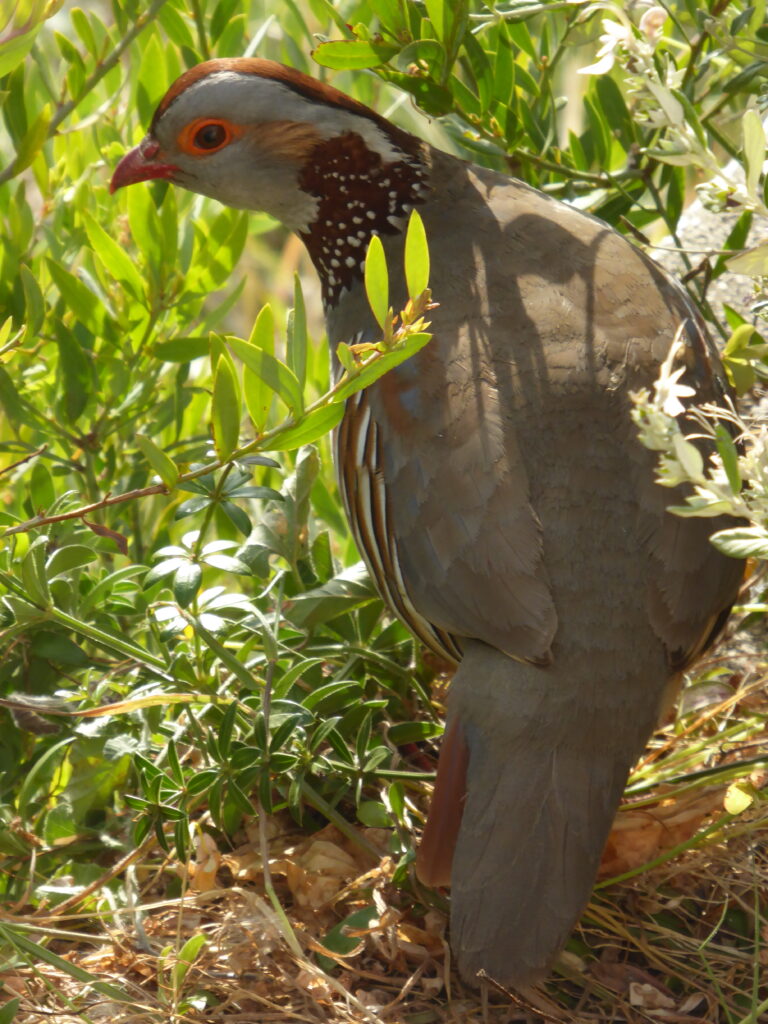
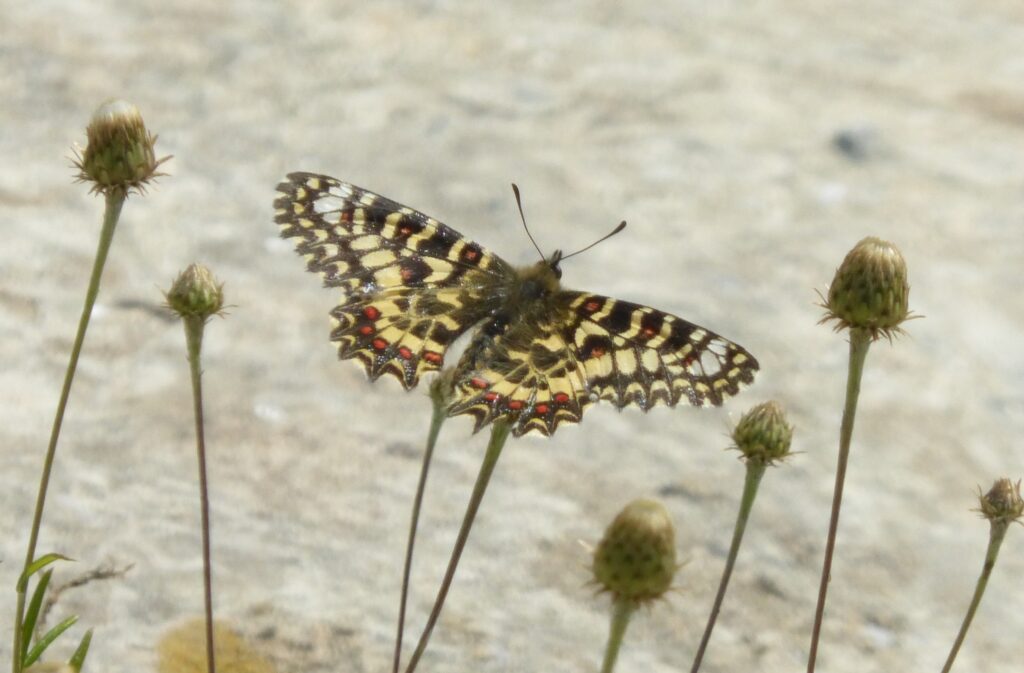
The Rock – This is a physically challenging area to explore with many steep paths and steps to climb but you will be rewarded with spectacular views over of the bay and Strait and find a wealth of interesting wildlife. Botanists will enjoy perusing over the many plants which eek out a living in this inhospitable environment, butterflies abound, Monarchs and Spanish Festoon are fairly common and the Two Tailed Pasha is particularly sought after, birds to look out for include Blue Rock Thrush and Barbery Partridge. There are also several troops of Barbary Macaques patrolling the cliff
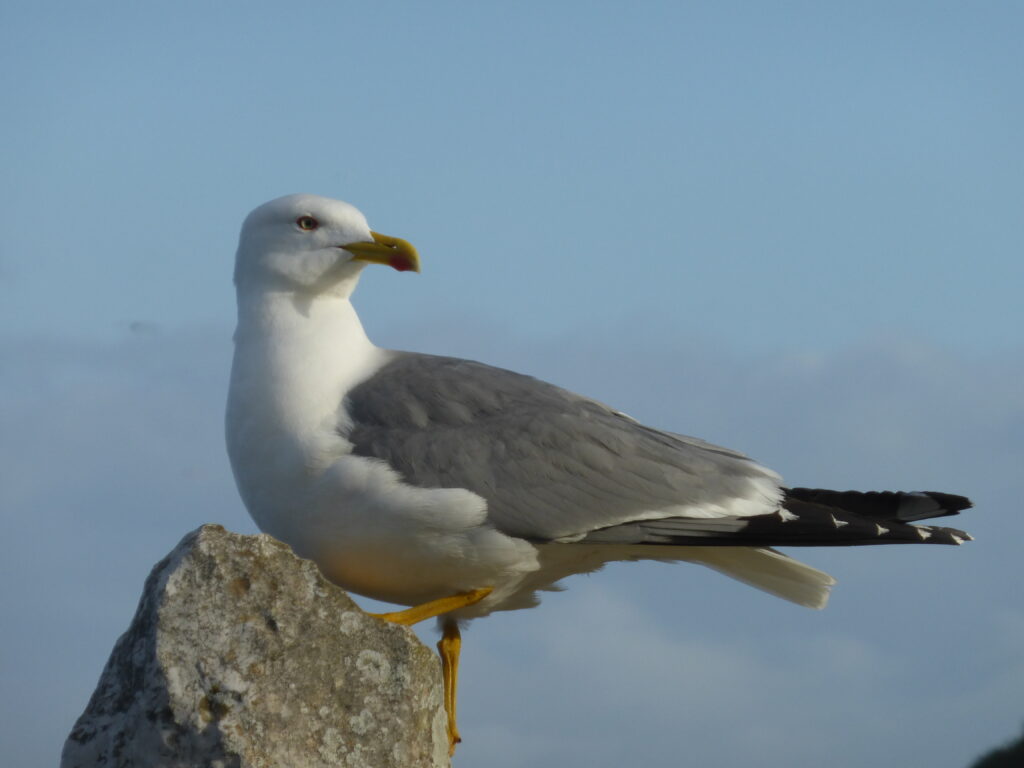
Be aware that Yellow legged Gulls are extremely common in Gibralter and can become quite aggressive during the nesting season, dive bombing walkers as they wind their way along the cliff paths.