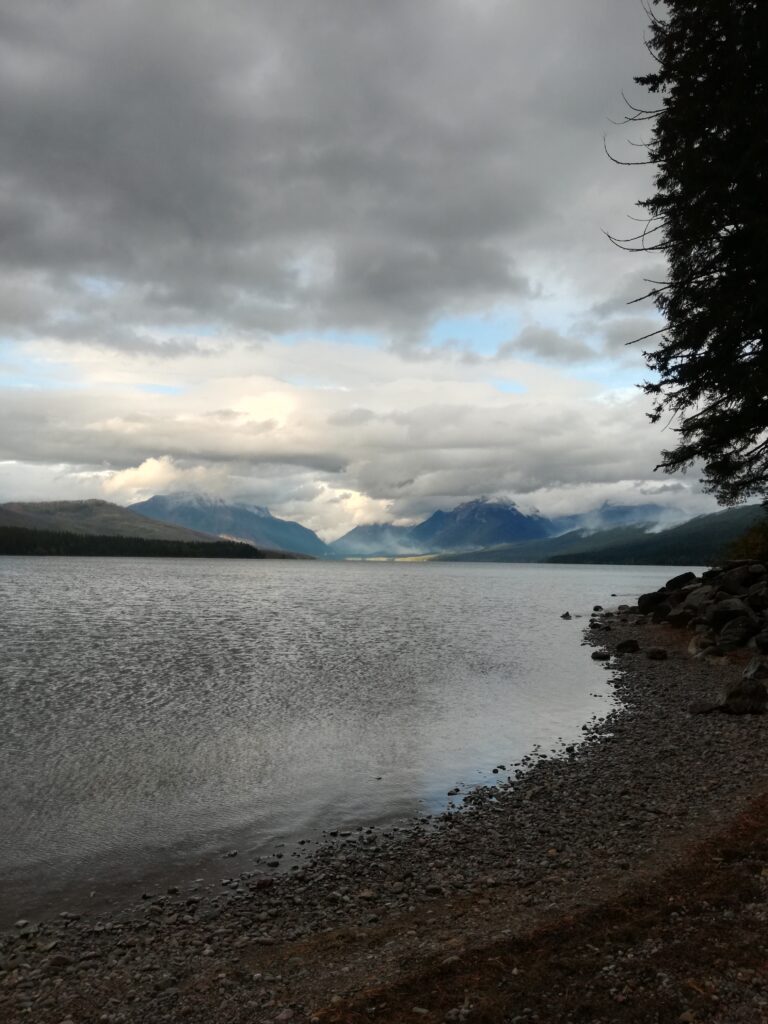
Two weeks touring The Rockies and Bitterroot Valley in the north of Montana. A backpackers maiden voyage to the USA.
The story of this journey begins in April 2017, in Gibralter.
While staying at the Jews Gate Bird Observatory, I was introduced to Kate and Amy, two American ladies from Montana who would be staying for the same period as me. One evening I casually mentioned that I was keen to make my first visit to The States and would probably be booking a trip to New York very soon… “You don’t wanna go there” they said, “There is no wildlife in NYC, come to Montana.”
Five months later I touched down in Whitefish, Montana. It was 01:00 in the morning and I was relieved to find Amy waiting to pick me up from the airport.
I spent the first day looking around Whitefish while Amy was at work.
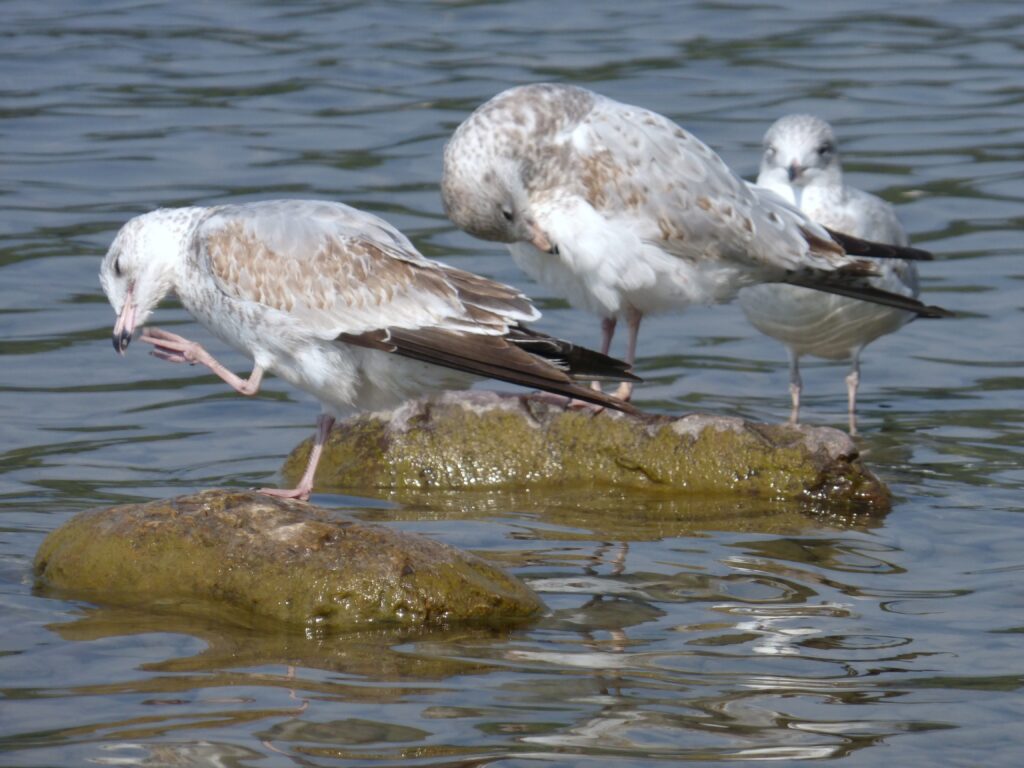
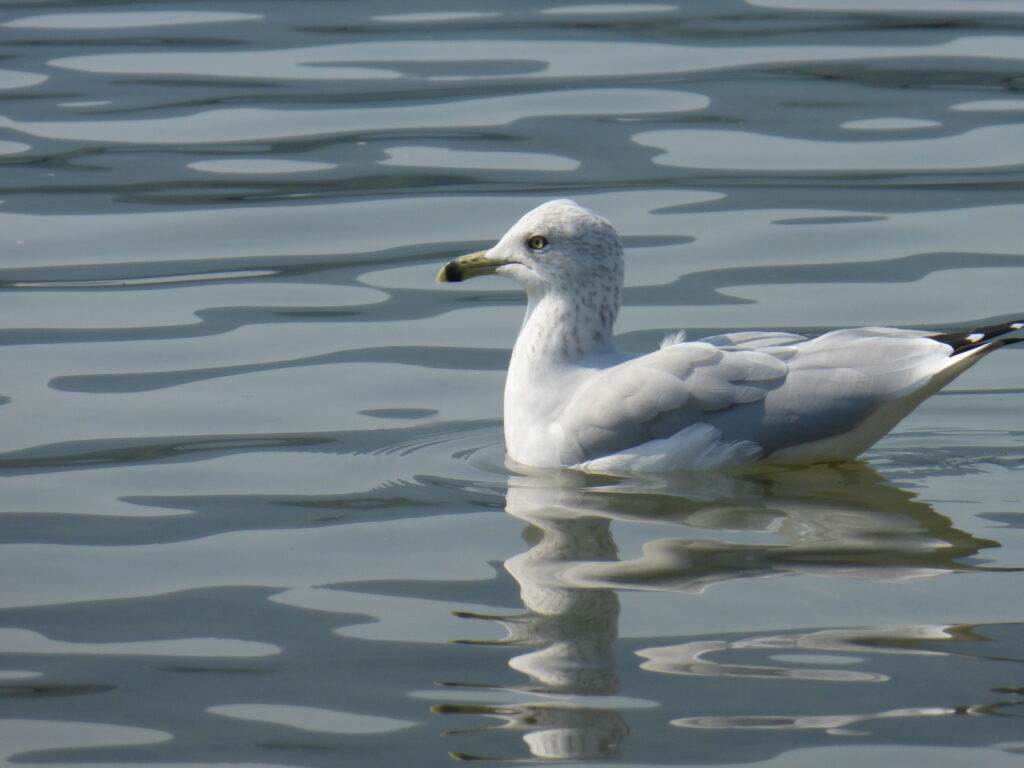
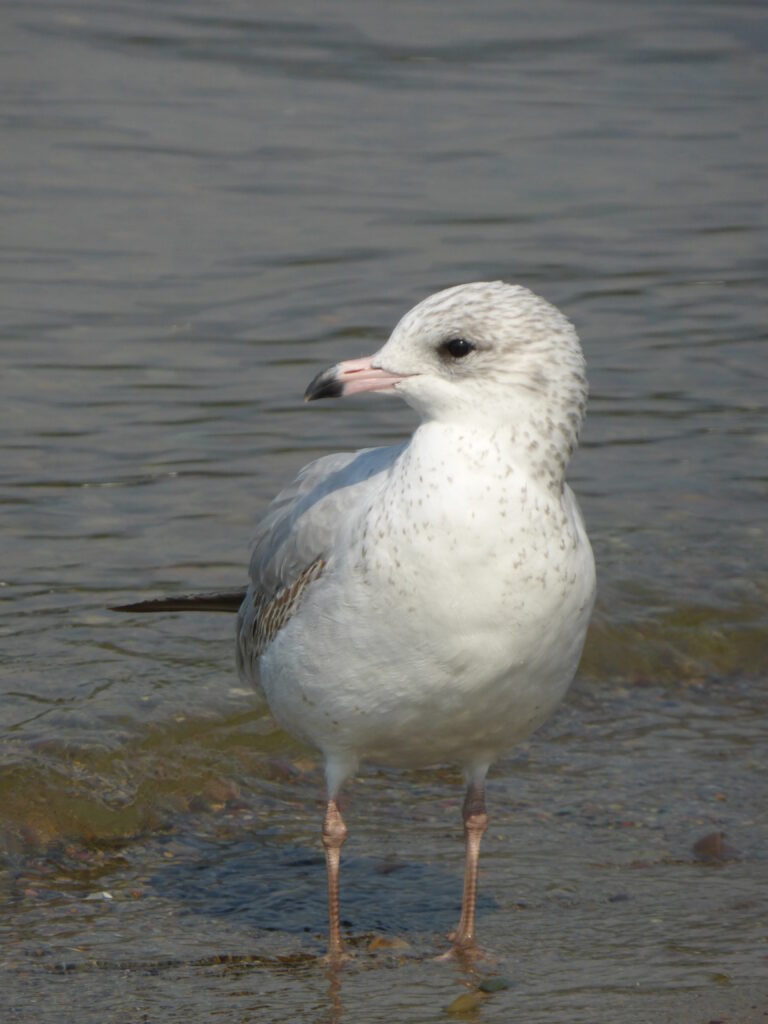
That morning, after a hearty breakfast and unlimited coffee I began to explore the City and on Amy’s advice made my way slowly along the footpath that follows the bank of the Whitefish River to the City Beach set at the edge if the mighty Whitefish Lake. It was here that I experienced the first of many amazing encounters on my trip, as soon as I walked onto the beach my jaw dropped at the sight of nearly fifty Ring-billed Gulls, present in all states of plumage only a few feet away from me. I had spent hours at my local lake in England dreaming of finding one of these iconic vagrants and here were a plethora of them right before me, I was in birding heaven.
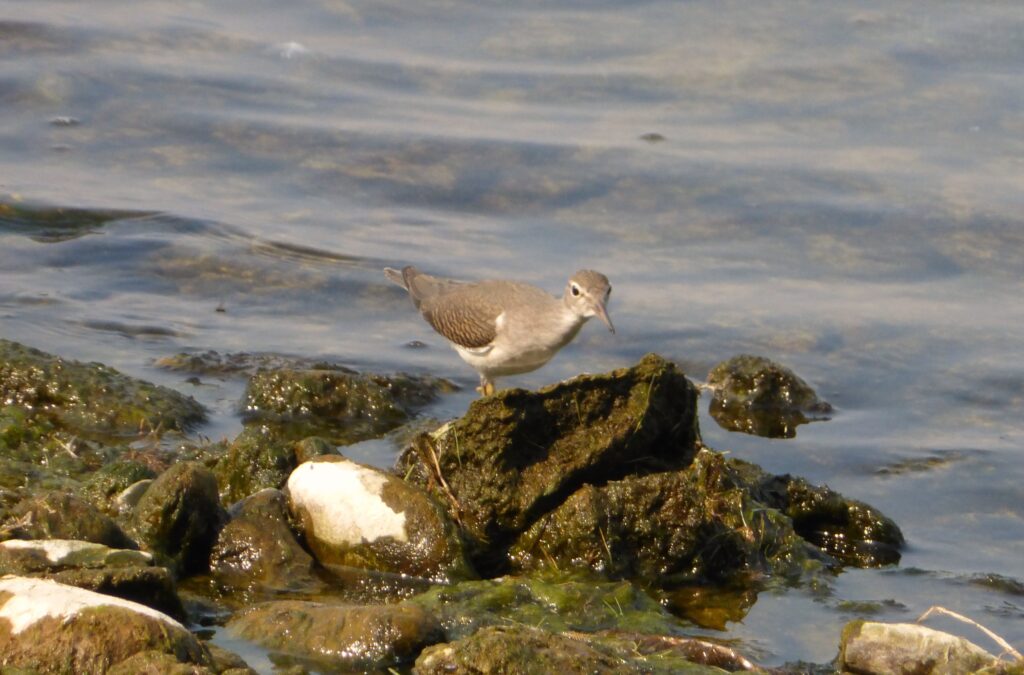
Hooded Merganser and Common Goldeneye were out on the water amongst the gulls and a confiding Spotted Sandpiper was found on the shoreline.
A large lake on Hodgson Road proved to be very popular with local birds and I was astounded at the number of species present in the area including a multitude of waterfowl, this was the perfect start to my trip.
Day 1:
Riverside Walk:
Black-billed Magpie
American Crow
Ring-necked Pheasant
Gray Jay
Blue Jay
Cedar Waxwing
Black-capped Chickadee
Hooded Merganser
Common Goldeneye
Spotted Sandpiper
Hodgson Road:
American Raven
House Finch
Bald Eagle
Dark-eyed Junco
House Sparrow
Song Sparrow
White-throated Sparrow
Coopers Hawk
Red-tailed Hawk
Turkey Vulture
Boneparte’s Gull
American Wigeon
Redhead
Ring-necked Duck
Lesser Scaup
Mallard
Bufflehead
Ruddy Duck
Canada Goose
American Coot
Eared Grebe
Horned Grebe
Sandhill Crane
American Robin
Northern Flicker
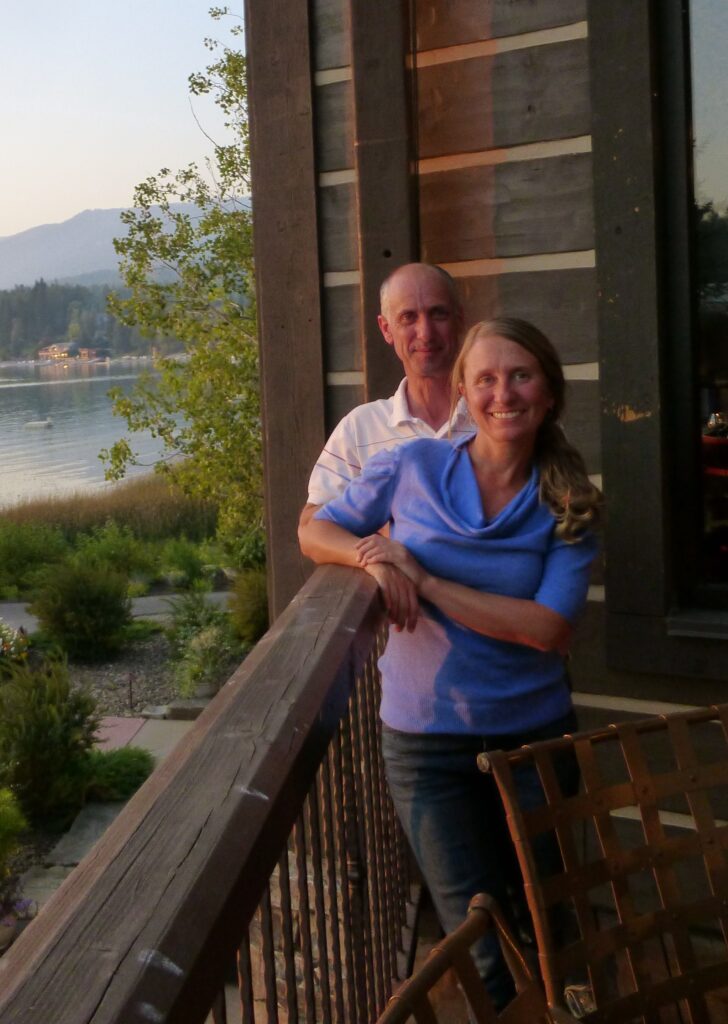
Later that evening I was treated to a meal at The Lodge on Whitefish Lake a plush establishment which is especially renowned for the mounted Grizzly Bear which looms over visitors as they enter the lobby and its commanding view over Whitefish Lake.
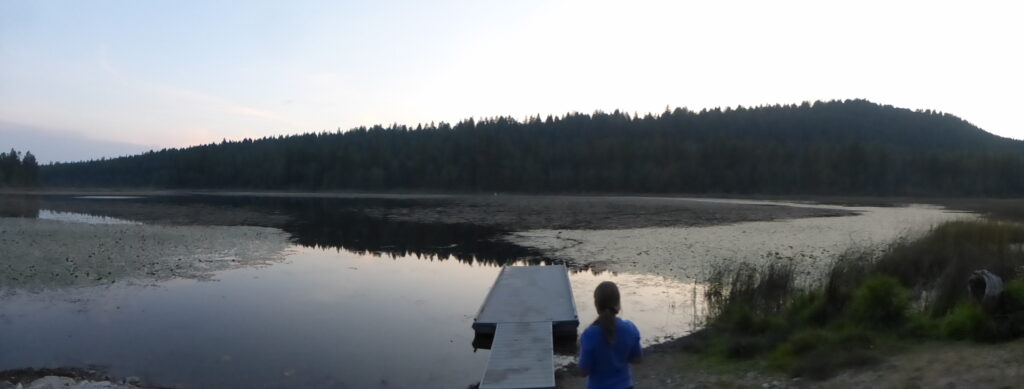
After dinner Amy suggested that she gave me a short driving lesson so I could familiarise myself with some of the common rules and signage of the American roads before I collected my hire car the following day and she chose a route to Blanchard Lake where we sat on the jetty and watched the sun go down.
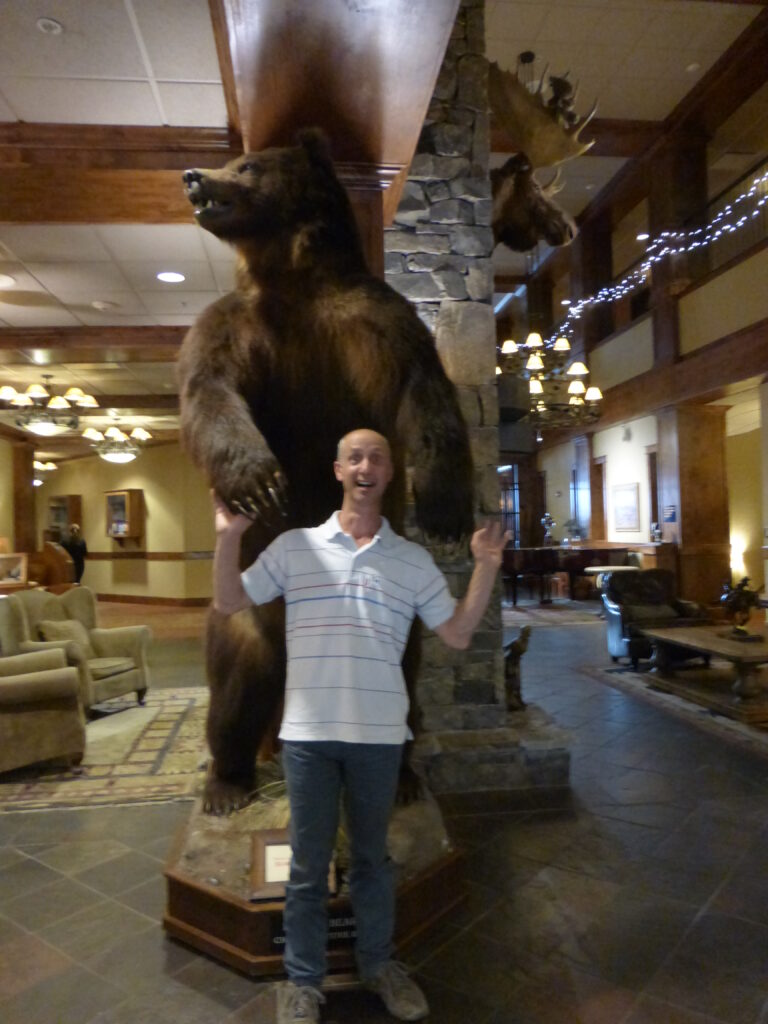
Lodge At Whitefish 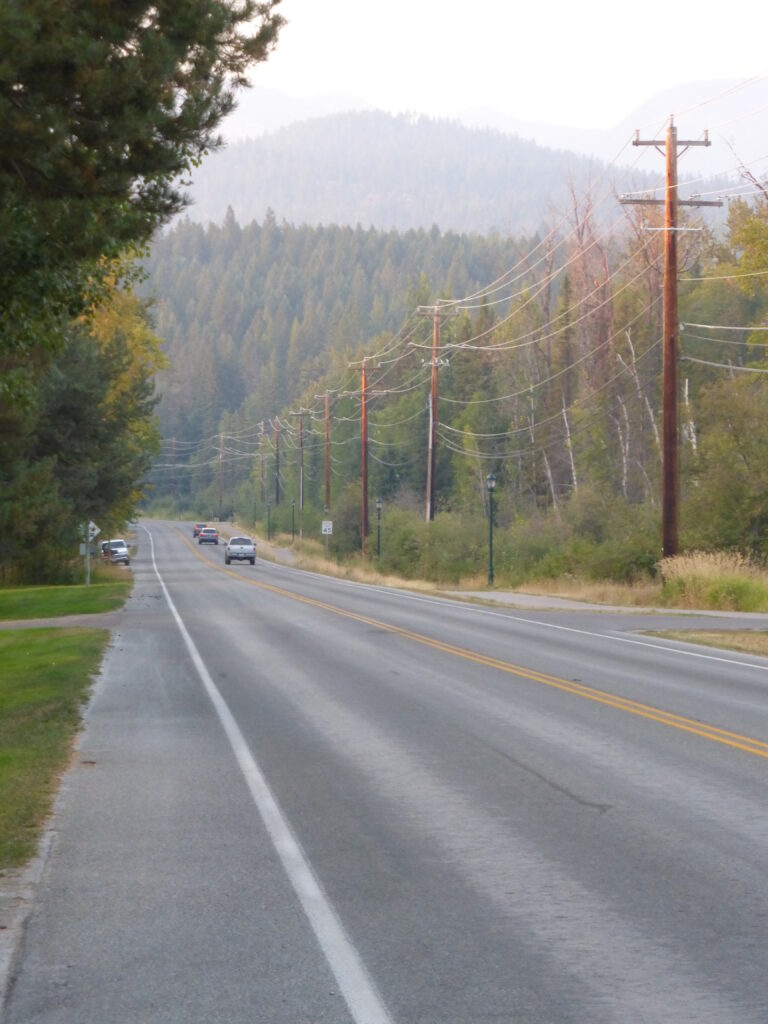
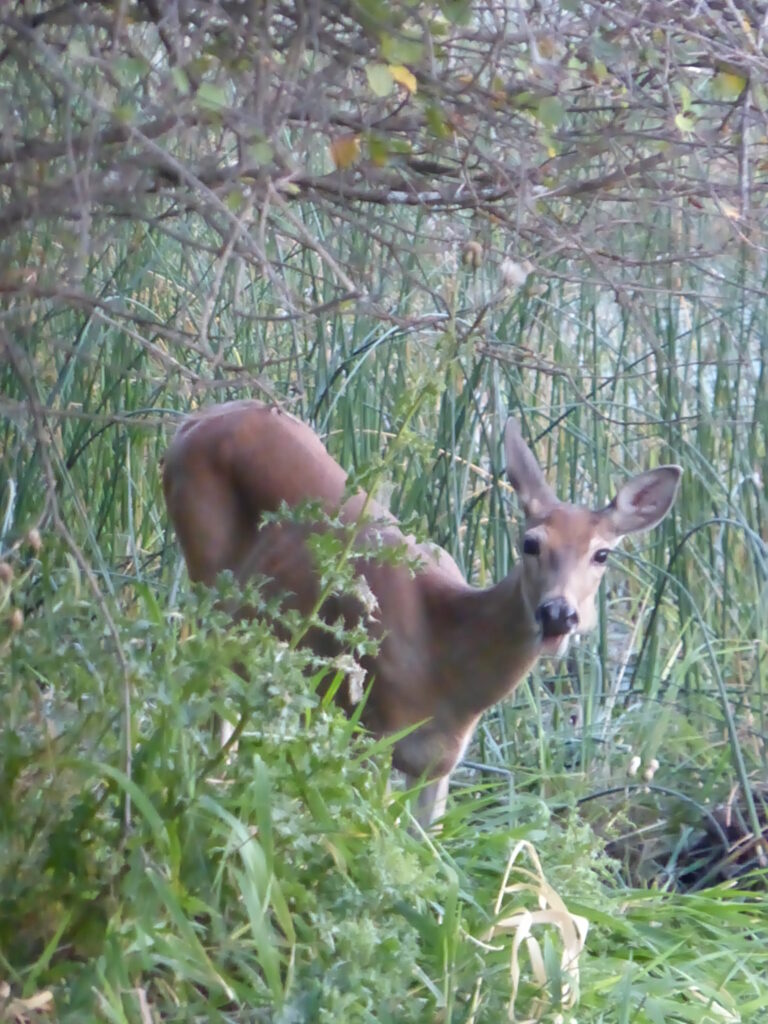
The following day I picked up my hire car feeling quite excited, as a child I had read countless books about North America, its iconic wildlife, the stories of the native Indians and saw visions of beautiful wooded mountains and large expanses of open grassland filled with roaming Bison and Moose.
With nothing but a tent and a few simple provisions stashed in the trunk of a 4×4 Subaru I was now free to explore the north of Montana and to tour the famous Rocky Mountains.
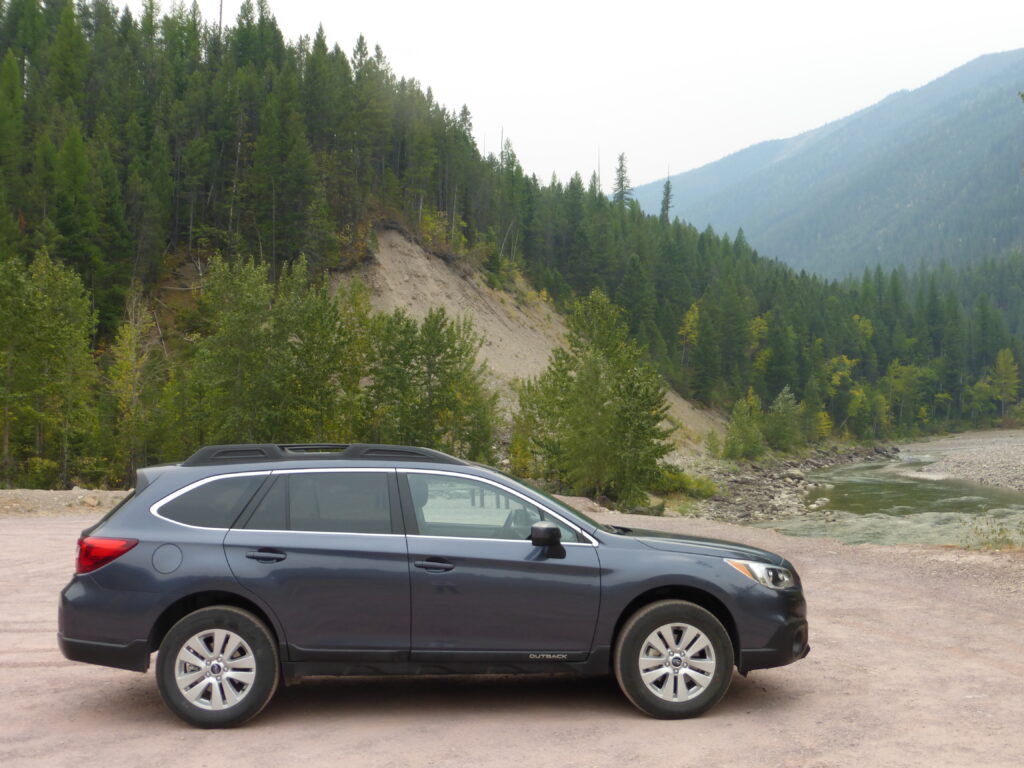
My initial plan had been to spend the first night camping in Apgar Campsite at the start of the Going To The Sun Road in Glacier National Park, from here I would have liked to drive this iconic road through what is described as one of the most scenic highways in the world, but alas, the seasonal wildfires were burning furiously and thick smoke was engulfing the south of the park meaning that the road had been closed to visitors. I made the decision to travel further east and stay at the Two Medicine camp site which was unaffected by the forest fires, making a stop for lunch at The Glacier Highland Restaurant on the way, to sample a slice of their delicious Huckleberry Pie.
A quick photo stop on the journey gave me good views of Bald Eagles including a strange sight of one flying through a valley side by side with a Canada Goose, I can’t imagine what brought this bizarre duo together but they disappeared from view casually flying off together.
Two Medicine
Arriving at The Two Medicines check point I paid my fee and entered the National Park, it was impossible to drive far before stopping the car to take in the beautiful views of mountain rivers and towering peaks surrounding the road, the scenery was stunning.
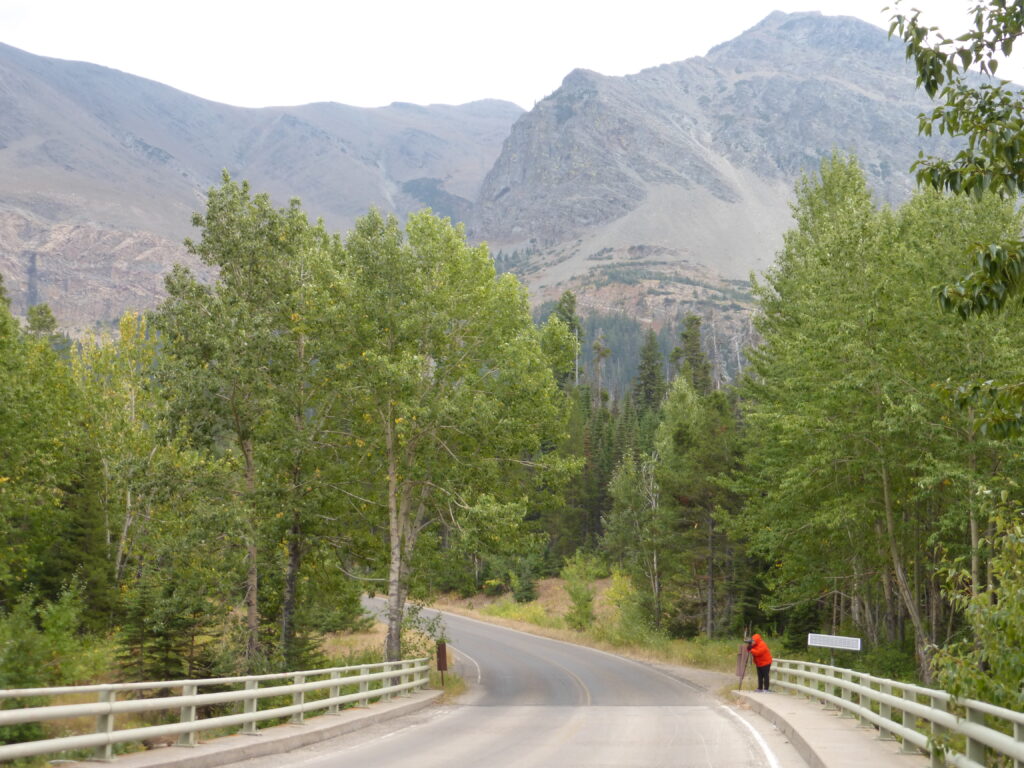
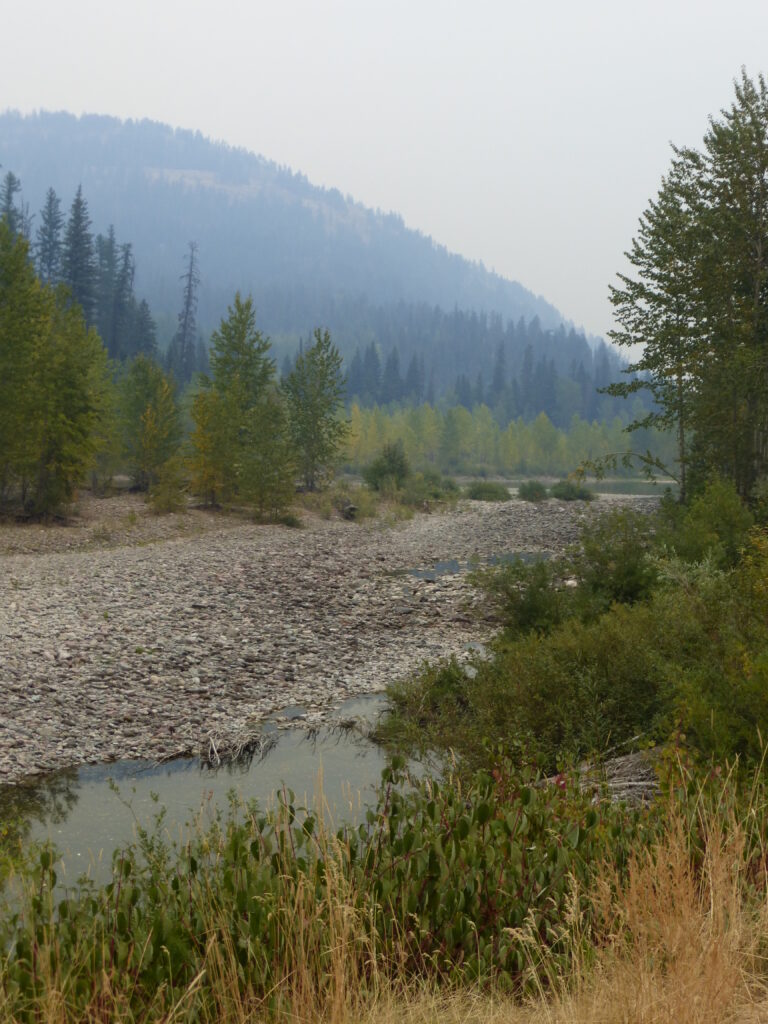
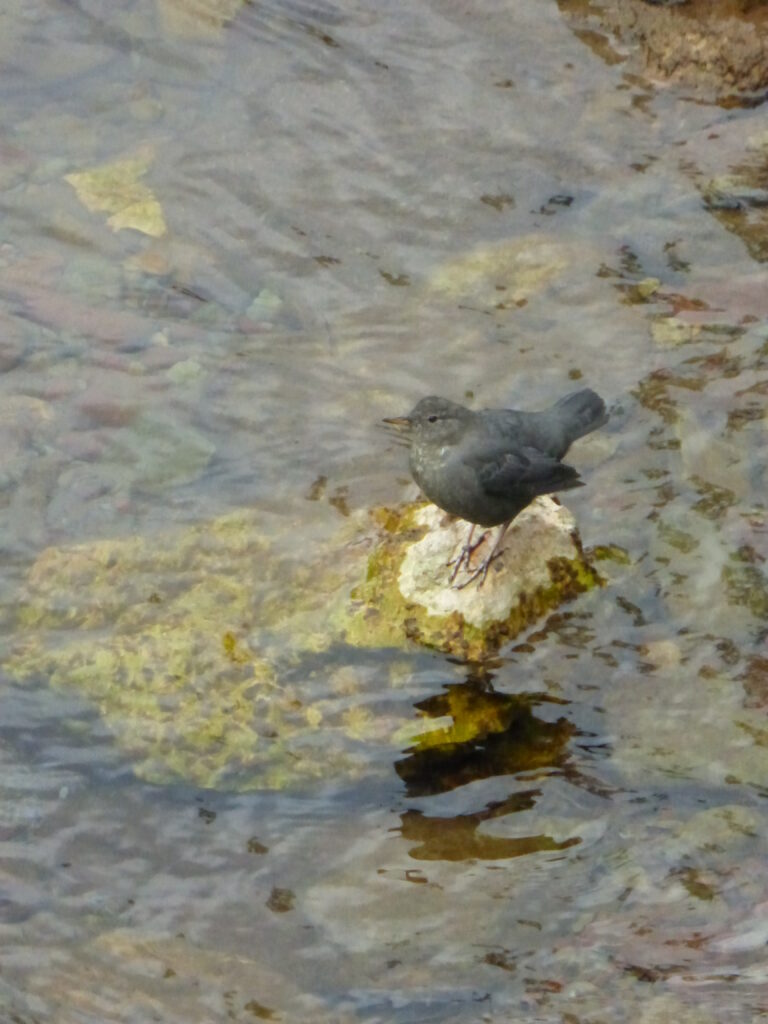
After pitching the tent there was barely enough time to take a short walk along the shore of Two Medicine Lake before darkness set in, that night I thought I could hear the sound of falling leaves brushing against the fly sheet, on emerging from the tent the next morning I discovered it had been snowing and there was a thin covering of snow over the tent and a thin layer of ice on the lake.
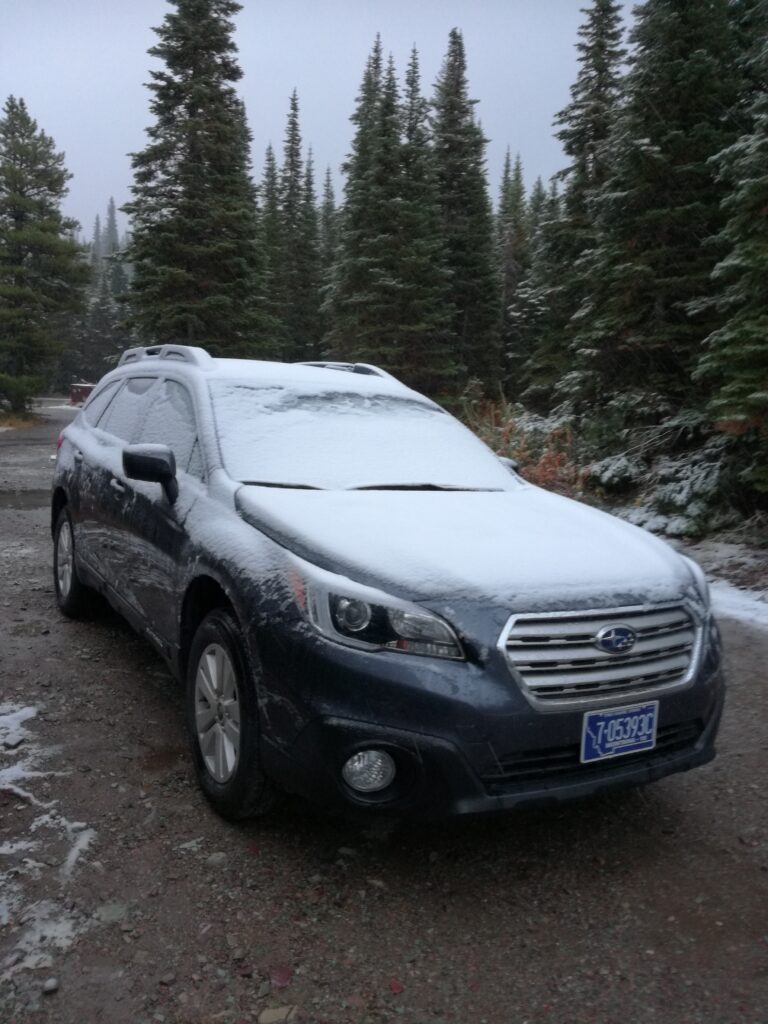
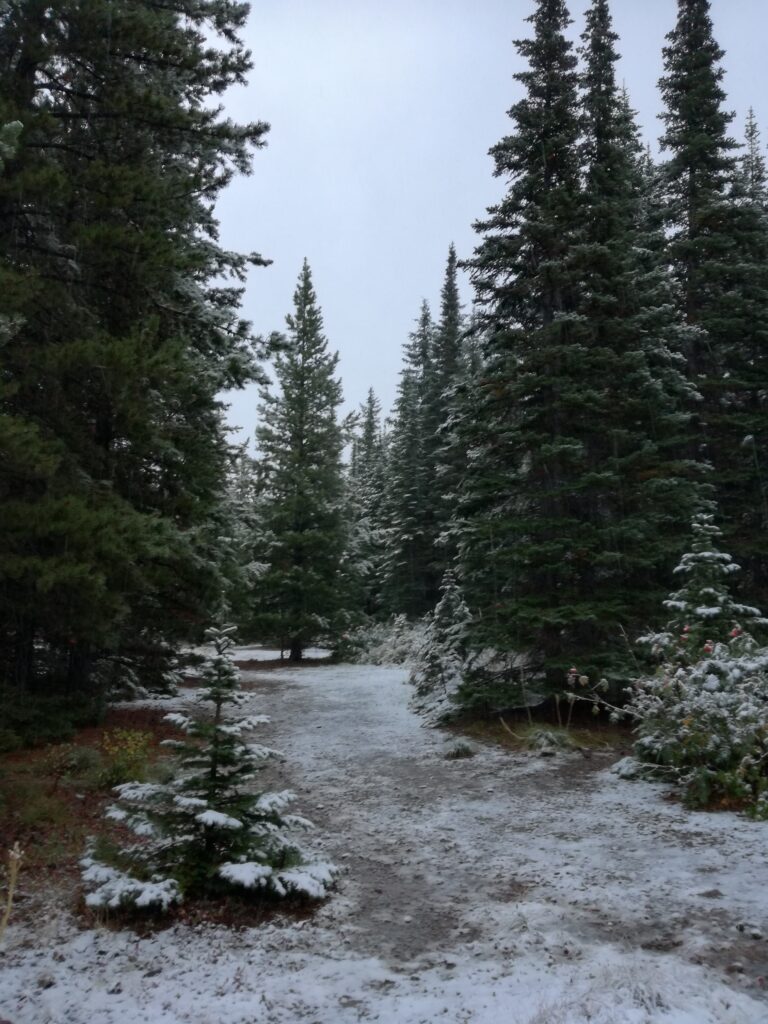
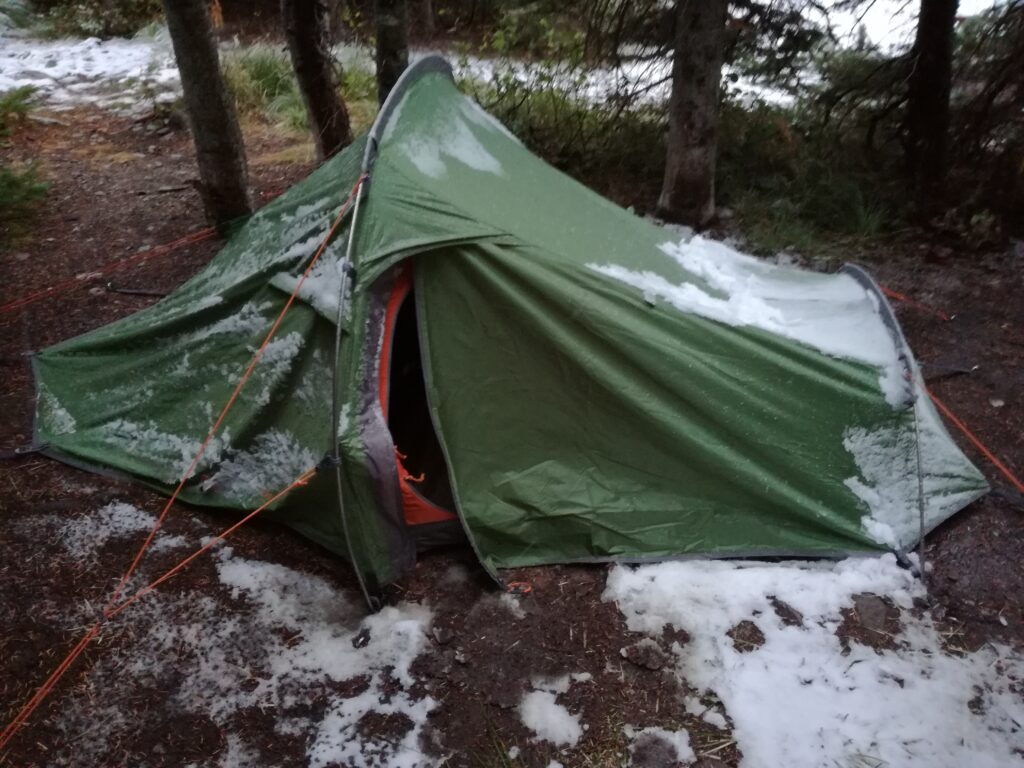
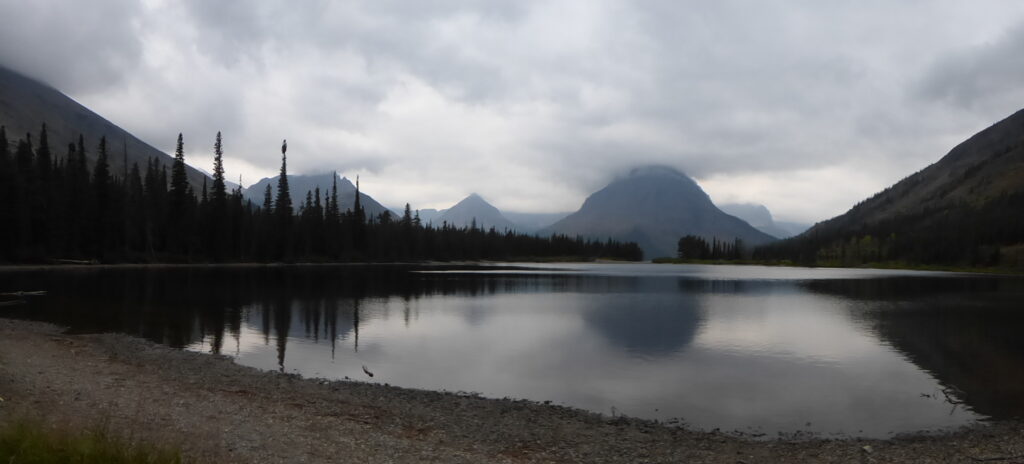
The conditions were not really acceptable for hiking so I took a drive into Browning to take a look round The Museum Of The Plains Indians, this small collection is a must see for anyone who is interested in the culture and way of life of the Native Americans, it contains historic photographs, costumes and exquisite handmade adornments.
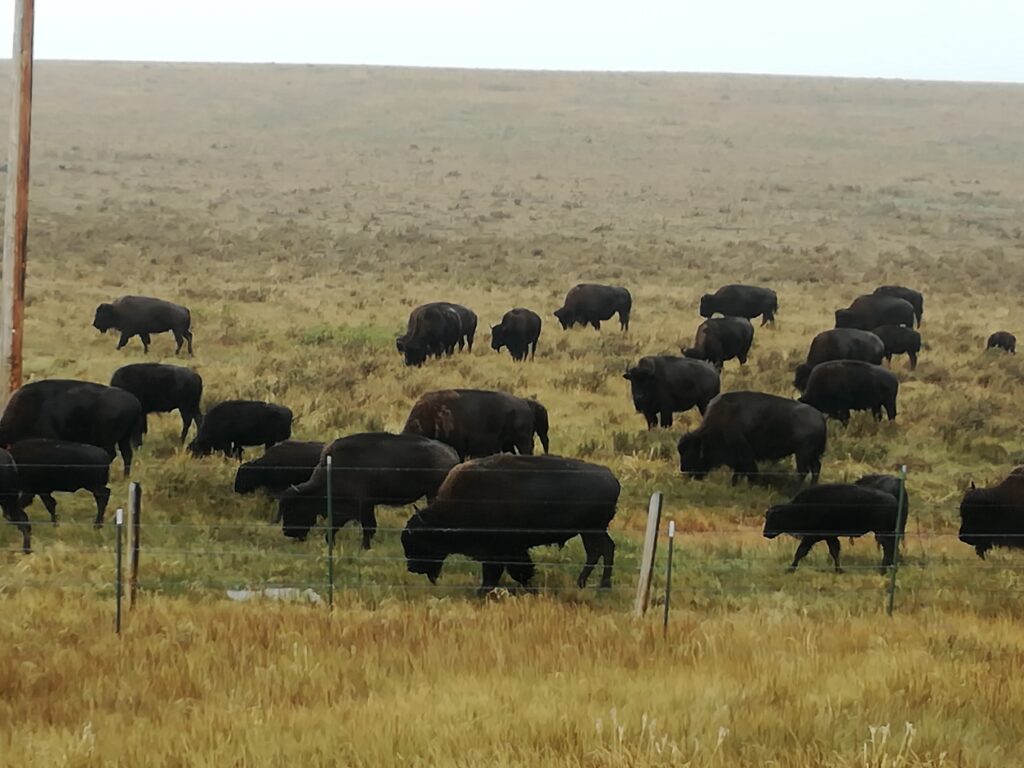
On the drive into Browning you will probably see the large herd of Buffalo that exist in the area.
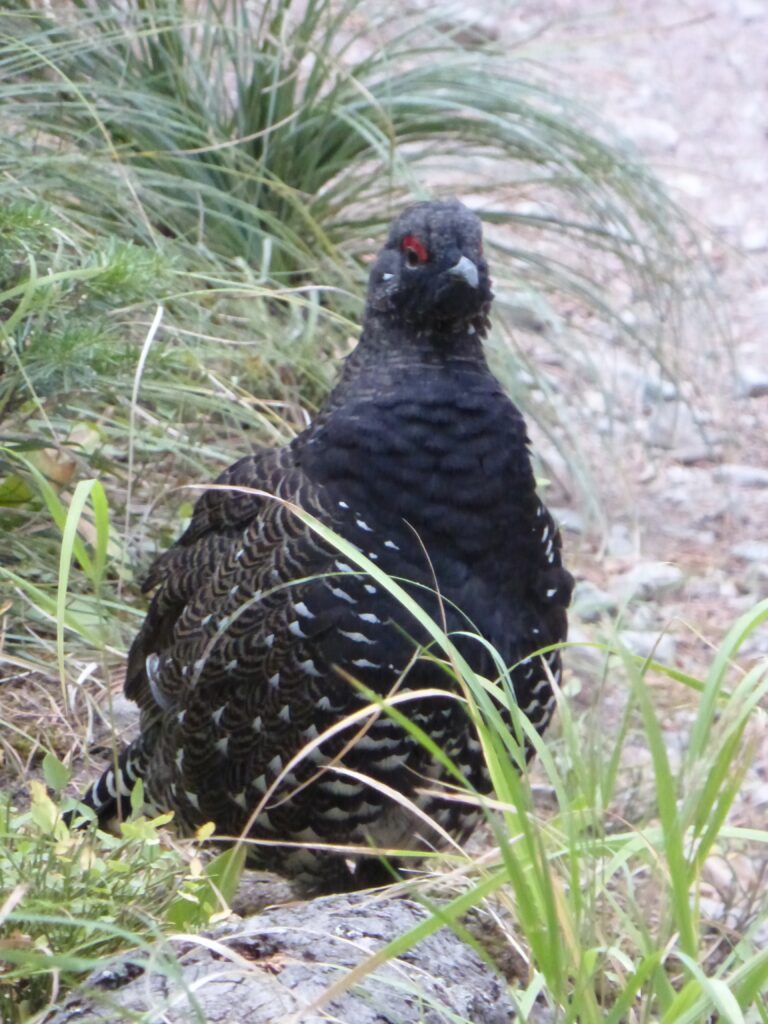
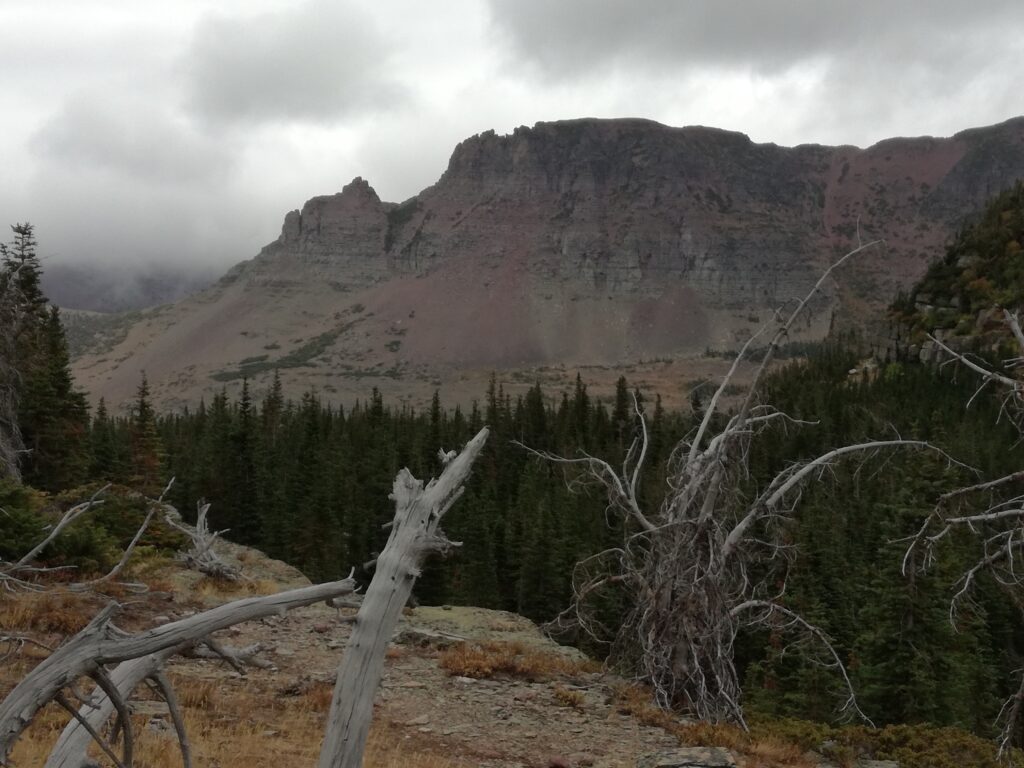
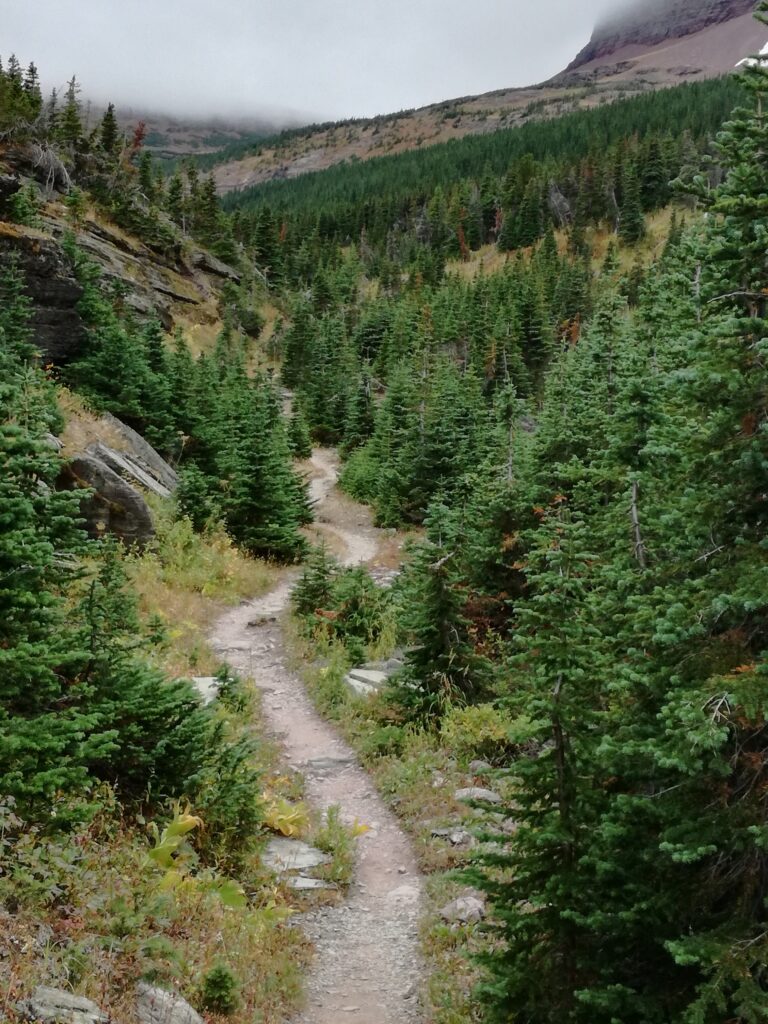
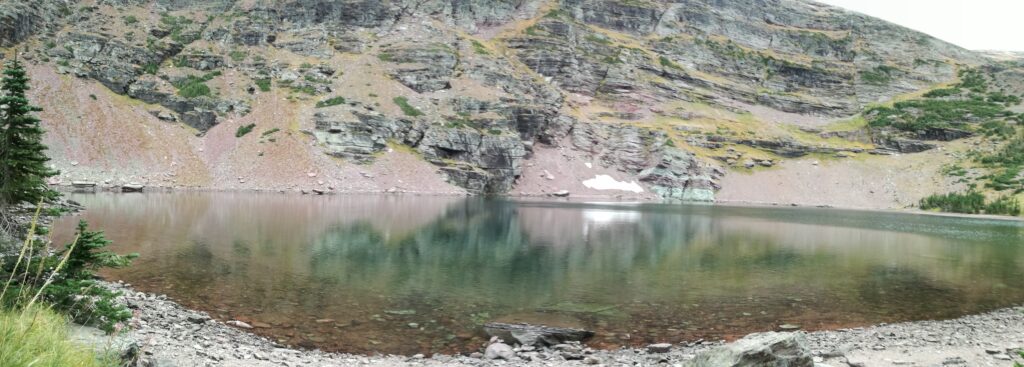
Clearer and slightly warmer conditions greeted me the following morning so I was able to hike one of the trails from the campsite, I chose to take the path up to Cobalt Lake which is approximately 9.3 km over fairly easy torraine, this proved to be an excellent choice as plenty of wildlife was to be found along the way. The first encounter was with a very friendly Spruce Grouse that approached almost within touching distance, I got so excited that I accidently dropped my camera and broke it, I could only use my phone to take pictures for the rest of the holiday.
Other birds seen on the day included:
American Pipit
Yellow-rumped warbler
Brewers Blackbird
Chipping Sparrow
Mourning Dove
Red-breasted Nuthatch
Mountain Chickadee
Hermit Thrush
Ruby-crowned Kinglet
Williamsons Sapsucker
White-tailed Ptarmigan
Common Merganser and Belted Kingfisher were at Two Medicine Lake as I started off but the highlight of the day was the sighting of a female Moose and her immature calf as I neared Cobalt Lake, the huge adult and young were easily observed as they made their way slowly through the pines and they even paused briefly to look back at me.
My stay at Two Medicine was short, time was against me and I had agreed to meet Kate and her husband at a campsite in Bigfork on the banks of Echo Lake a day later, it was sad to have to pack up the tent and move on from such stunning surroundings.
There was just enough time to take a break along my route and walk along The Scalplock Lookout Trail before lunch, this was a quiet trail with little to see along the way, the forest was darker and thicker here with fast flowing creeks but I managed to find Swainsons Thrush and Townsends Solitaire to add to my list. I couldn’t resist stopping at Glacier Highland Restaurant for another slice of Huckleberry Pie.
Jewel Basin Raptor Watch
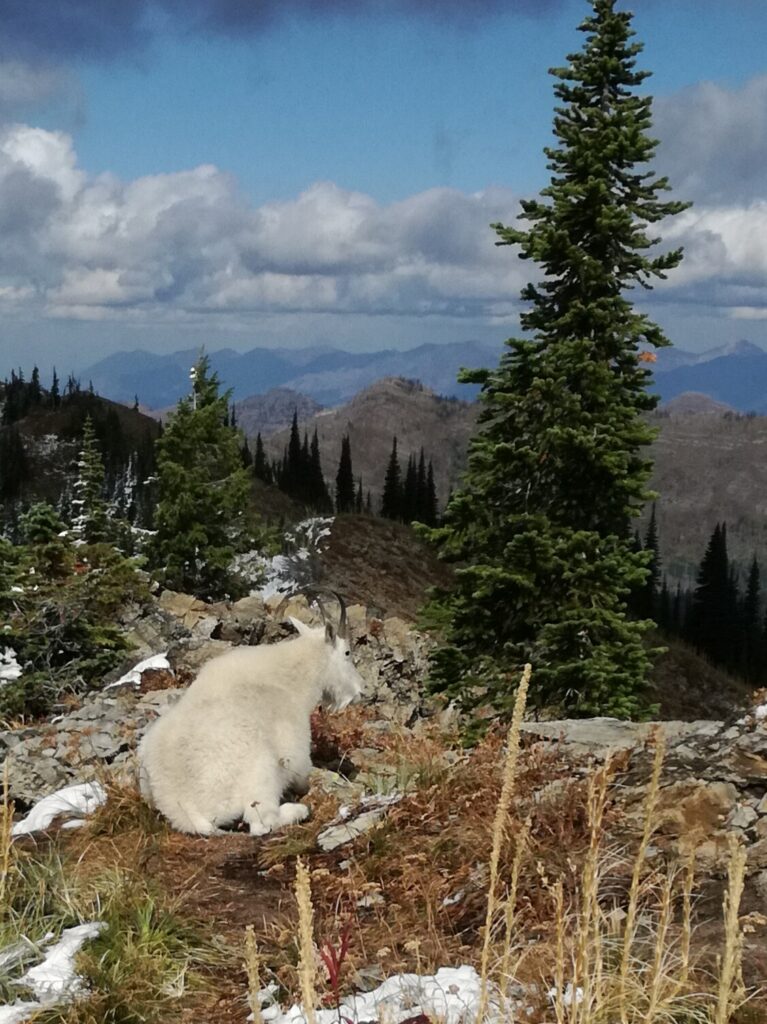
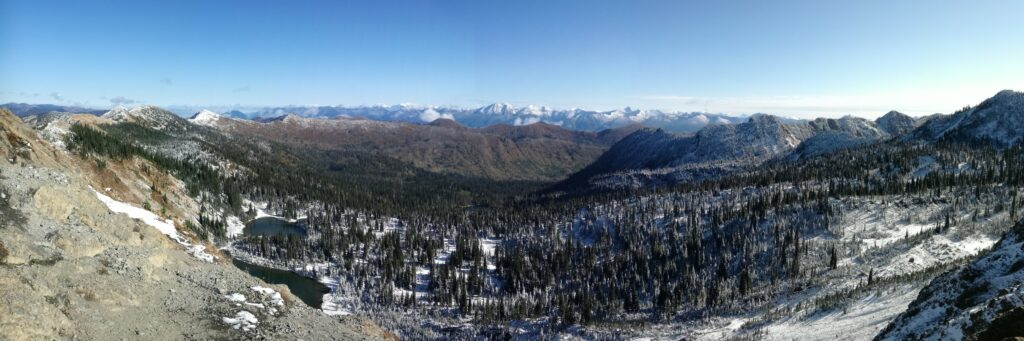
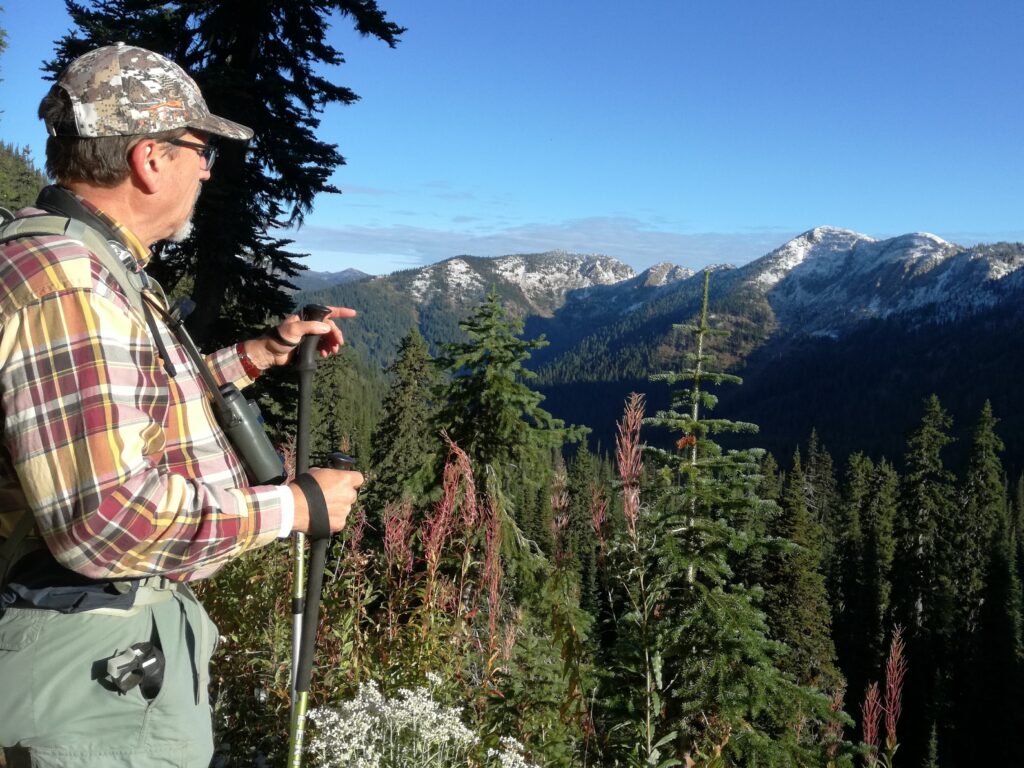
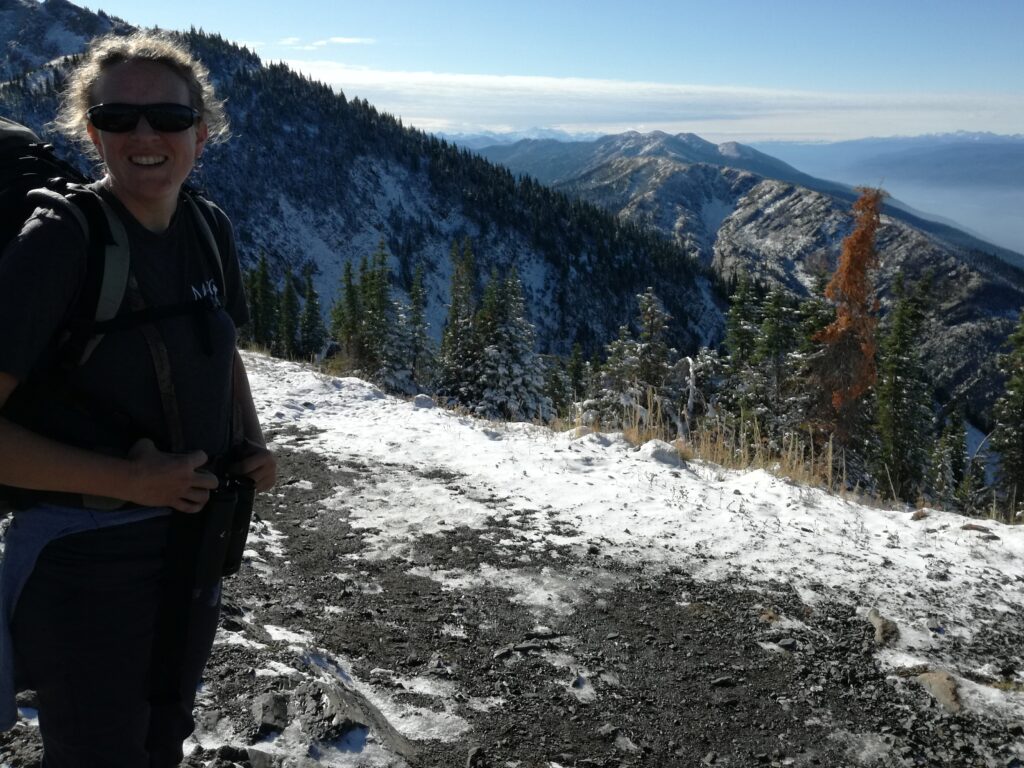
A small group of birdwatchers convened at The Echo Lake Cafe as day was breaking, after a hearty fried breakfast, supplemented with a never ending supply of coffee and pancakes our party began the long drive up the steep, rugged, winding road to Camp Misery, here we left the vehicles and made our ascent on foot to the peaks of The Swan Range. Breath taking landscapes unfolded as we reached the summit where Spruce clad slopes could be seen flowing into the distance and cold, grey, snow covered mountains dwarfed the large valleys below. Our party was ushered along a spine of rocks, deeply clad in snow with precarious drops to the side until we arrived at the raptor view point, a small rocky plateau which had a commanding view along a ridge to the North which the Birds Of Prey follow on their autumn migration as they fly South, we spent the rest of the day picking out various birds as they passed us along the ridge. Sharp-shinned Hawks were the most common with a few similar looking Coopers Hawks and larger Red-tailed Hawks as well as Bald eagles and a number of Golden Eagles passing through, American Kestrel and Northern Harrier added a little interest too.
We were also joined by two Mountain Goats which seemed quite happy to sit near the group and while away an hour.
Other birds along the trail to the peak included:
Fox Sparrow
White-crowned Sparrow
Mountain Bluebird
Horned Lark
Pine Siskin
Clarkes Nutcracker
Wild Turkey
I loved the area so much that I decided to set up the tent just outside Camp Misery and spend the night in the mountains, it was possibly the coldest I have ever been but it was worth it to see the starlit sky that night, the heavens were speckled white and the Milky Way could clearly be seen winding its way through the sky, it was absolutely jaw dropping.
My next destination was set in the Bitterroot Valley at Stevensville where Kate had offered to put me up at her home for a couple of nights and she had recommended that I stop at Nine Pipes Reservoir and the nearby Bison Range on my drive down.
Stevensville
Nine Pipes Reservoir allowed good views of the water birds in the area which included:
Western Grebe
American White Pelican
Trumpeter Swan
Double-crested Cormorant
Caspian Tern
Killdeer
and also Peregrine Falcon
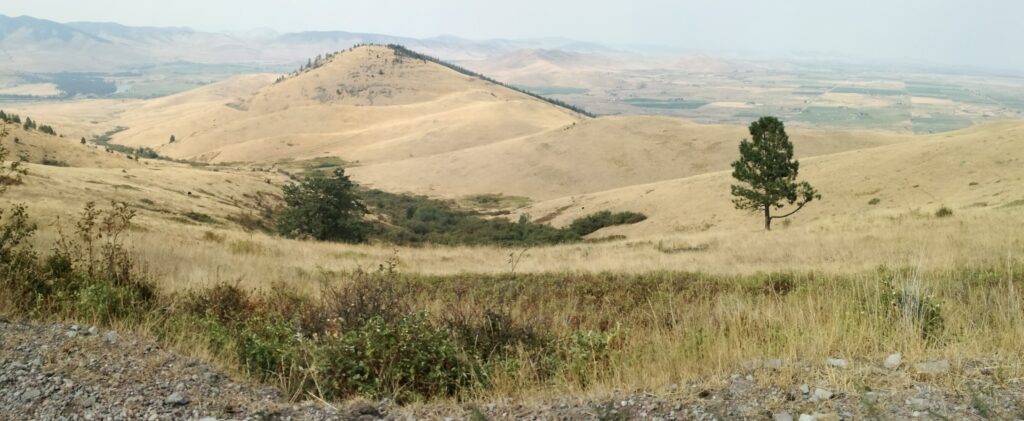
I would recommend a drive round The National Bison Range near Charlo on Highway 212. The park was created by Theodore Roosevelt in 1908 and is set in a valley near The Flathead River with Glacier National Park Mountain Range to the East and The Swan Range to the West, it is a large expanse of open Prairie and gives the visitor just a small glimpse at what the first settlers may have witnessed when they first set foot among the vast grasslands of North America, I suppose it could be described as a huge safari park but with a real sense of space. The highlight for me was seeing a Black Bear which was scrambling around in a low bush plucking off berries probably trying to fatten up before its winter hibernation, the Rangers advised me that they can enter and leave the park as they wish.
Visitors can drive around the park using their own vehicle, travelling at their own pace.
Kate warmly welcomed me to her house that evening and after a night in front of the telly, learning the finer points of American Football I retired to bed, exhausted.
The following day Kate took me out onto the ranch where she worked and introduced me to a team of birders who were spending the morning catching and banding (the English would call it ringing) birds. It was a real treat to be so close to some of the birds, looking at them in the hand and learning about some of the finer plumage features.
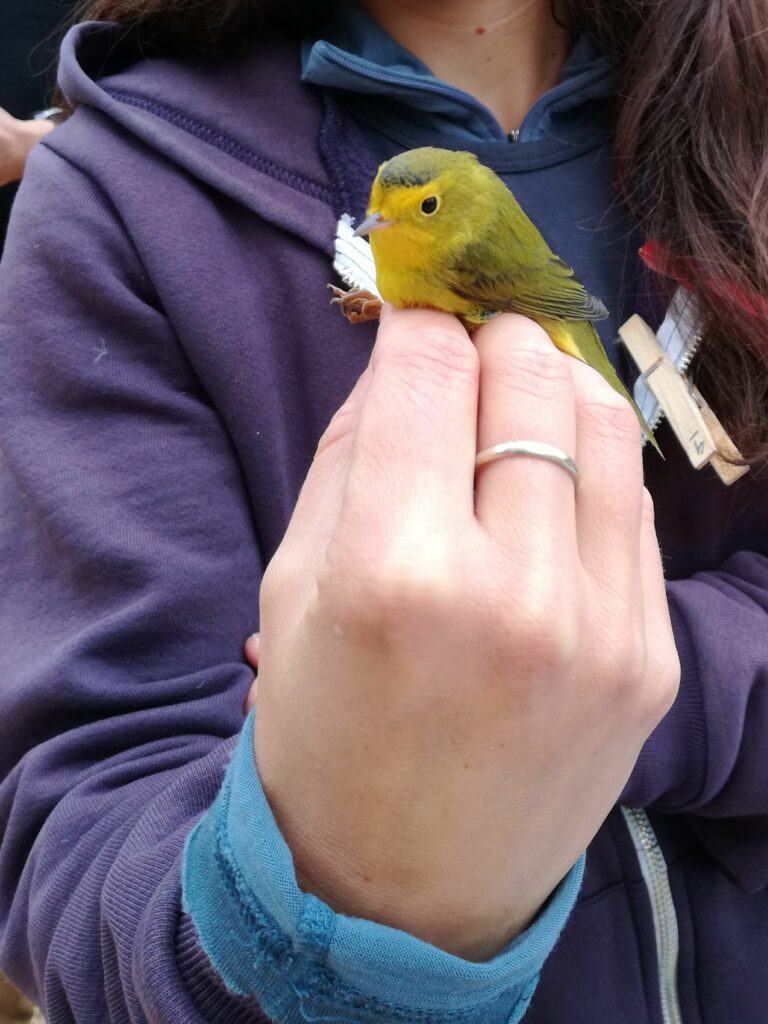
Wilson’s warbler 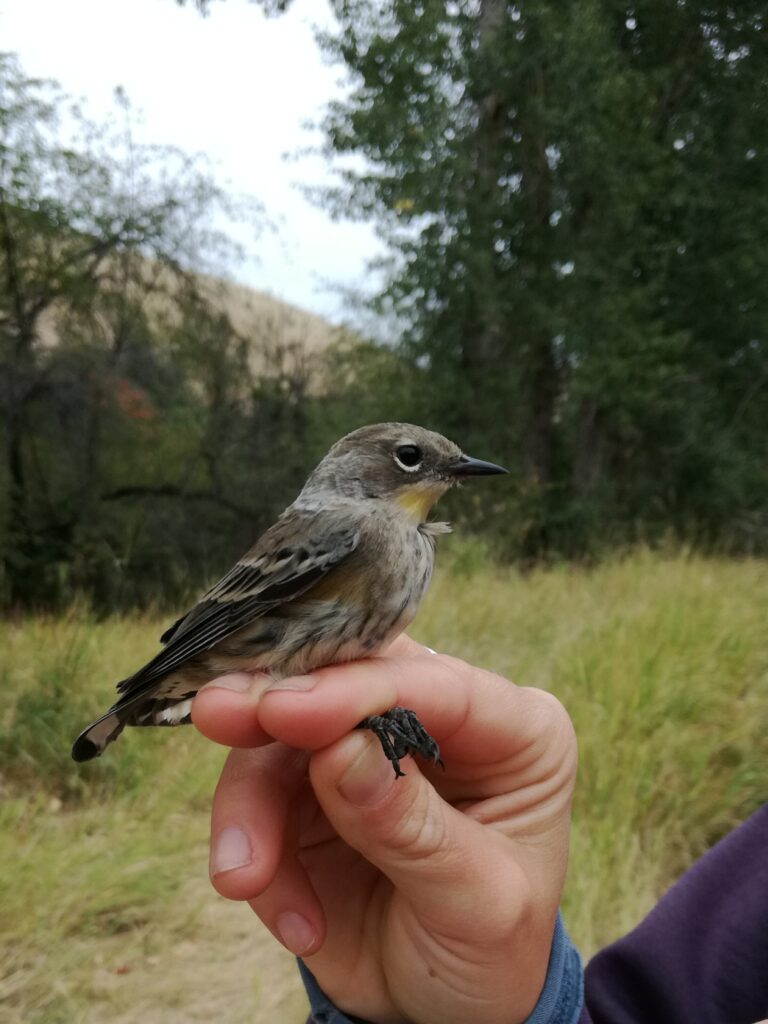
Yellow-rumped Warbler 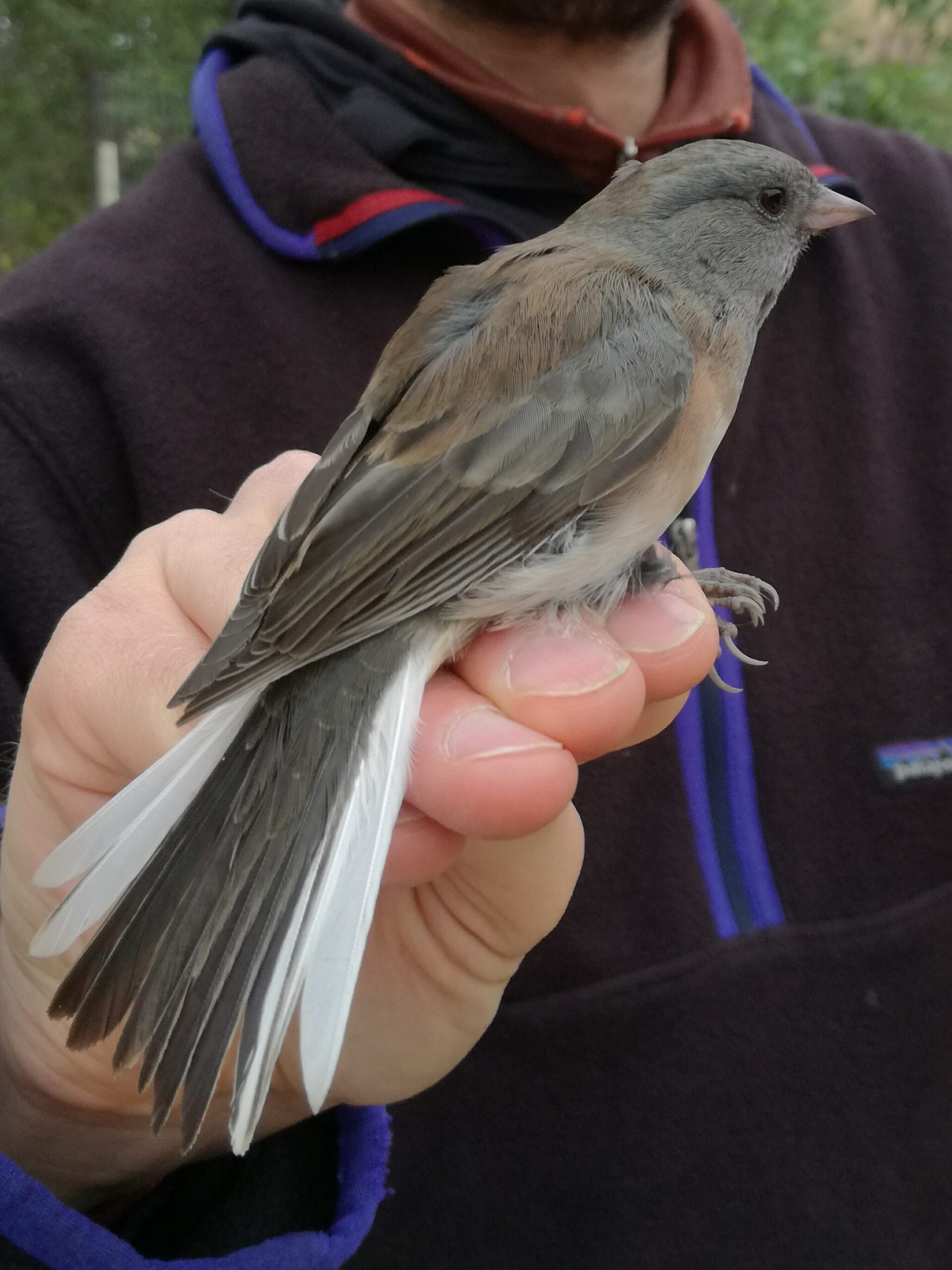
Dark-eyed Junco 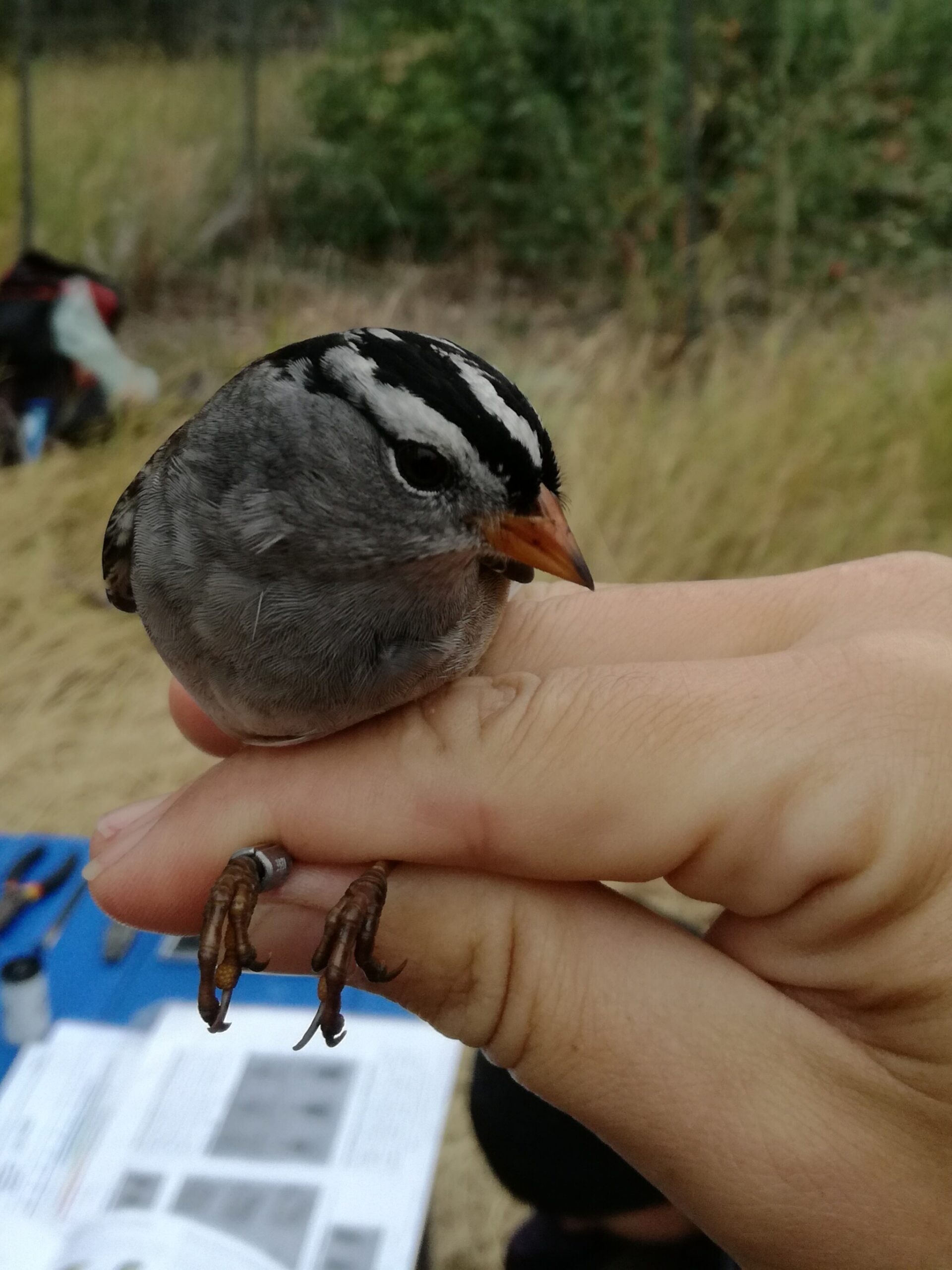
White-crowned Sparrow
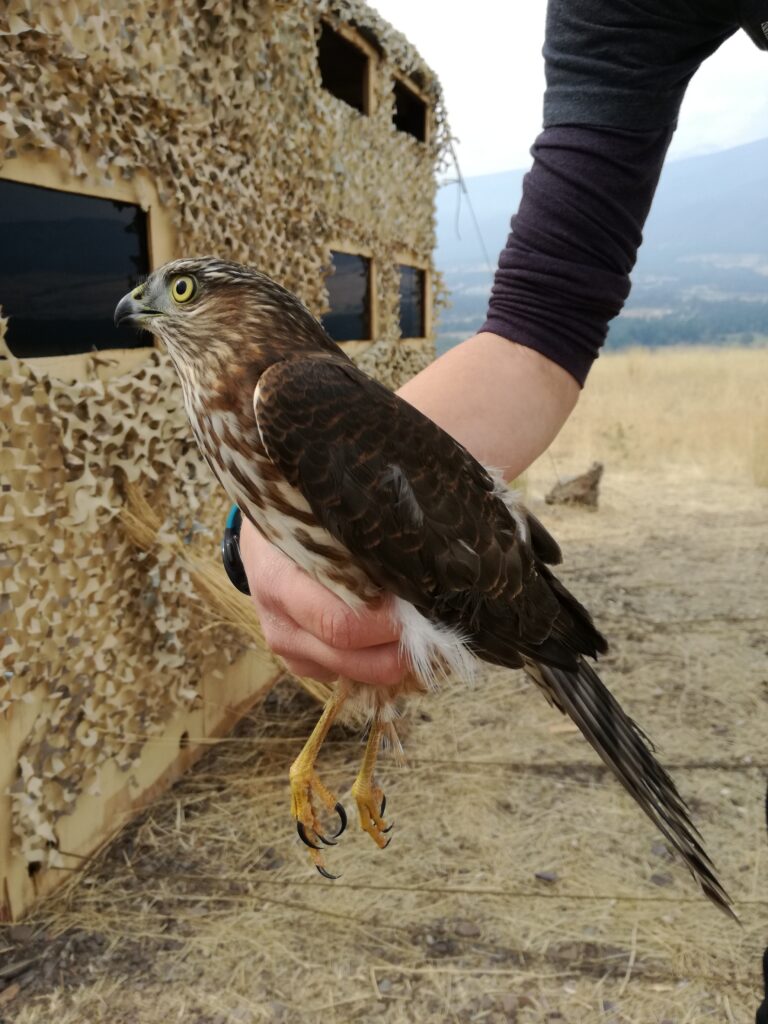
In the afternoon we headed out to a hide and set lures to trap and band raptors, this was a real thrill for me to be given the chance to see these impressive wild birds up close. Unfortunately, the larger birds of prey proved elusive that day but I was privileged to help band and release a couple of Sharp-shinned Hawks.
The following day it was time to move on again, my time in Montana was slipping away and I had to make my way back up towards Whitefish.
Kates garden was teaming with birds that morning so I managed to add a few more species to my Stevensville list:
Lincoln Sparrow
Savannah Sparrow
Townsends Warbler
Orange-crowned Warbler
Wilson’s warbler
Say’s Phoebe
Grey Catbird
Spotted Towhee
House Wren
Grey Partridge
Collared Dove
After saying goodbye to Kate I had a couple of hours to explore The Lee Metcalf Wildlife Area, a group of lakes and parkland in Stevensville.
Around the lakes I found:
Pied-billed Grebe
Shoveler
Gadwall
Pintail
Marsh Wren
Red-winged Blackbird
…and among the trees I found:
Common Yellowthroat
Red Crossbill
and the remarkable Evening Grosbeak
Glacier National Park-Apgar
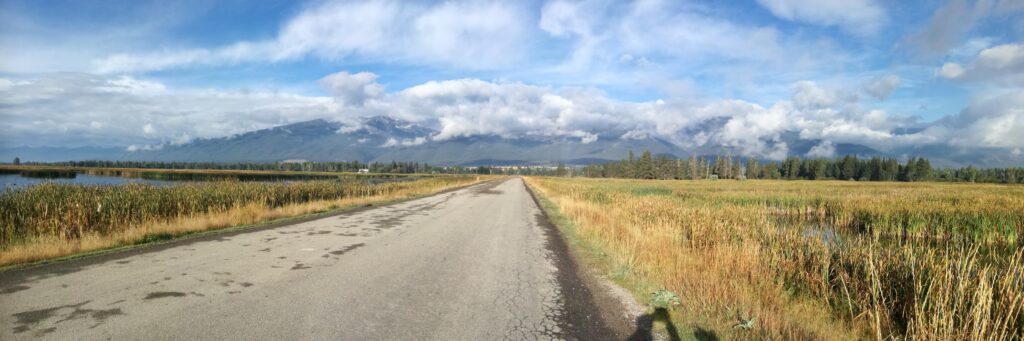
I decided to spend my last two nights in Glacier National Park at Apgar campsite, the wildfires had now subsided and the area was safe to camp in. Most of that day was spent driving back up towards Whitefish and left little time for walking so my final day was spent wandering the trails local to Apgar and fate dealt me a wild card. About fifteen minutes into the walk I spied a clearing through the trees and went to investigate…on emerging from the forest I found myself standing on the edge of a Creek staring in disbelief at a pack of Wolves assembled a little way down on the other bank, I counted eight of them, mostly white in colour but at least two grey ones, they all seemed oblivious to my appearance and gave me the chance to stand and watch as they frolicked among the boulders and shingle. It was then that I spotted then a ninth Wolf appearing from further down the Creek. This was my cue to leave, I backed off quickly and walked hastily away from the scene, my heart pumping with exhilaration, not quite believing what I had just seen, what a superb climax to an amazing trip.
I had driven over 500 km in the Subaru, taking in wonderful scenery and encountering wildlife I had marvelled at in books as a child and all because of a chance meeting with two wonderful people thousands of miles away on another continent, surely, the very epitome of why we travel.